Published on
September 30, 2025
Air rescue celebrates 25 years of service
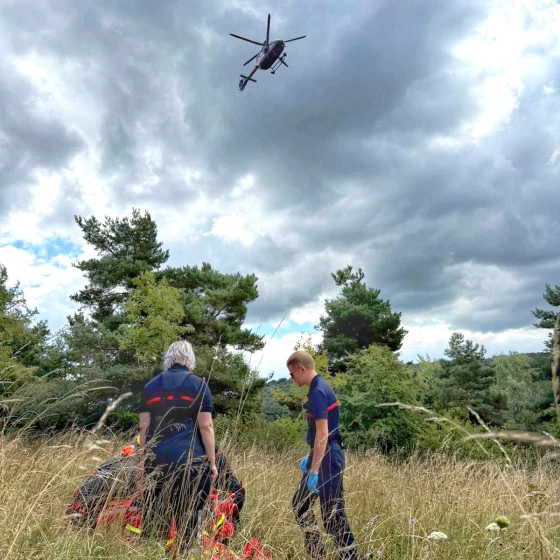
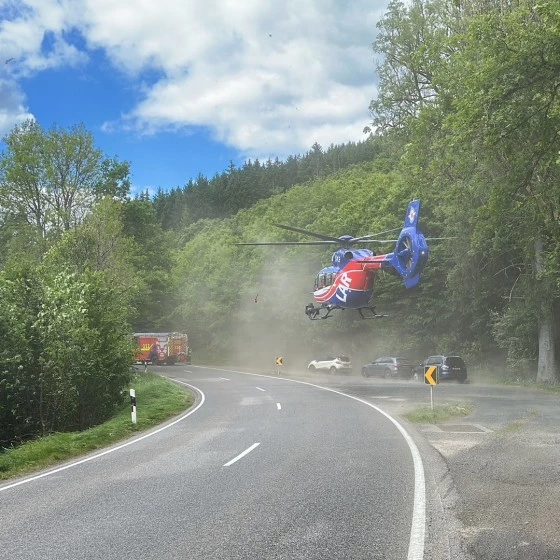
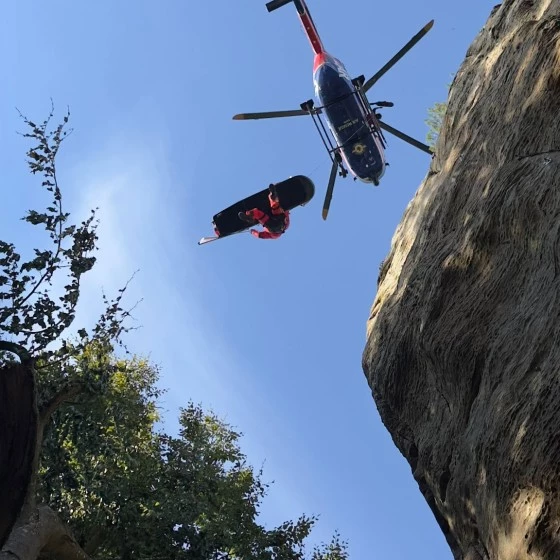
Since 1988, the non-profit organisation Luxembourg Air Rescue has saved thousands of lives and expanded its activities to ensure its own sustainability. Nearly 25,000 missions have been carried out around the world. The organisation now operates a fleet of five rescue helicopters and four air ambulance aircraft equipped with state-of-the-art medical equipment, as well as more than 150 specialists in air rescue, including pilots, nurses, doctors and engineers.
Looking back, the small non-profit organisation that launched air rescue operations in Luxembourg in 1988 with a single aircraft has grown considerably. Yet when Luxembourg Air Rescue celebrates its 25th anniversary in 2013, the bet taken by a handful of firefighters was far from certain to succeed.
“At the time, there was an agreement with neighbouring countries that allowed the use of rescue helicopters when necessary. However, it was impossible to obtain one quickly enough,” recalls René Closter, founder and current president of LAR. Yet time gained in critical situations is precisely the added value of an air rescue system.
“The image of air rescue is often misleading,” Closter continues. “It is not simply about transporting patients, but about bringing help to the scene as quickly as possible. If the response is fast, survival chances increase drastically. Today, thanks to LAR, any point in the country can be reached within ten minutes, whereas previously it could take up to fifty minutes.”
Nevertheless, the idea of establishing such an organisation at national level did not meet with universal enthusiasm. On the contrary, opposition was particularly strong within the Ministry of the Interior and the Civil Protection authorities. Despite this, the association was founded in 1988 and its first helicopter entered service a year later. The aircraft was leased from German pioneer Siegfried Steiger, founder of a similar organisation in Germany, who was impressed by the Luxembourg project.
Public support was immediate and widespread. Few associations can claim to have 185,000 members in a country of just 500,000 inhabitants.
The DNA of rescue
“From the beginning, we had 5,000 new registrations per week. This encouraged us and provided financial support,” the president explains. Nevertheless, the organisation – which was integrated into Luxembourg’s emergency medical service (SAMU) in 1991 – accumulated significant debt. “By 1992, it had reached 30 million francs, or around €750,000.”
The logistical costs are indeed considerable. Including fuel and maintenance, one hour of flight costs between €3,500 and €3,800. Medical equipment must also be replaced regularly due to rapid technological developments and the stress it undergoes, limiting its lifespan to around two years. The annual budget now amounts to €23 million.
This led to the development of additional commercial activities starting in 1999: worldwide medical repatriations using air ambulance aircraft, humanitarian missions during natural disasters and organ transport services for France, which – outside the Paris region – are coordinated from the LAR operations centre.
“The largest part of the work still consists of helicopter missions, around 1,700 flights per year,” explains Closter, who also notes “924 missions abroad in 2012 across 92 countries.” He concludes: “Our real wealth lies in our staff. You need to have rescue in your DNA – that is our greatest asset.”

Air rescue celebrates 25 years of service
Since 1988, the non-profit organisation Luxembourg Air Rescue has saved thousands of lives and expanded its activities to ensure its own sustainability. Nearly 25,000 missions have been carried out around the world. The organisation now operates a fleet of five rescue helicopters and four air ambulance aircraft equipped with state-of-the-art medical equipment, as well as more than 150 specialists in air rescue, including pilots, nurses, doctors and engineers.
Looking back, the small non-profit organisation that launched air rescue operations in Luxembourg in 1988 with a single aircraft has grown considerably. Yet when Luxembourg Air Rescue celebrates its 25th anniversary in 2013, the bet taken by a handful of firefighters was far from certain to succeed.
“At the time, there was an agreement with neighbouring countries that allowed the use of rescue helicopters when necessary. However, it was impossible to obtain one quickly enough,” recalls René Closter, founder and current president of LAR. Yet time gained in critical situations is precisely the added value of an air rescue system.
“The image of air rescue is often misleading,” Closter continues. “It is not simply about transporting patients, but about bringing help to the scene as quickly as possible. If the response is fast, survival chances increase drastically. Today, thanks to LAR, any point in the country can be reached within ten minutes, whereas previously it could take up to fifty minutes.”
Nevertheless, the idea of establishing such an organisation at national level did not meet with universal enthusiasm. On the contrary, opposition was particularly strong within the Ministry of the Interior and the Civil Protection authorities. Despite this, the association was founded in 1988 and its first helicopter entered service a year later. The aircraft was leased from German pioneer Siegfried Steiger, founder of a similar organisation in Germany, who was impressed by the Luxembourg project.
Public support was immediate and widespread. Few associations can claim to have 185,000 members in a country of just 500,000 inhabitants.
The DNA of rescue
“From the beginning, we had 5,000 new registrations per week. This encouraged us and provided financial support,” the president explains. Nevertheless, the organisation – which was integrated into Luxembourg’s emergency medical service (SAMU) in 1991 – accumulated significant debt. “By 1992, it had reached 30 million francs, or around €750,000.”
The logistical costs are indeed considerable. Including fuel and maintenance, one hour of flight costs between €3,500 and €3,800. Medical equipment must also be replaced regularly due to rapid technological developments and the stress it undergoes, limiting its lifespan to around two years. The annual budget now amounts to €23 million.
This led to the development of additional commercial activities starting in 1999: worldwide medical repatriations using air ambulance aircraft, humanitarian missions during natural disasters and organ transport services for France, which – outside the Paris region – are coordinated from the LAR operations centre.
“The largest part of the work still consists of helicopter missions, around 1,700 flights per year,” explains Closter, who also notes “924 missions abroad in 2012 across 92 countries.” He concludes: “Our real wealth lies in our staff. You need to have rescue in your DNA – that is our greatest asset.”
Air rescue celebrates 25 years of service
Since 1988, the non-profit organisation Luxembourg Air Rescue has saved thousands of lives and expanded its activities to ensure its own sustainability. Nearly 25,000 missions have been carried out around the world. The organisation now operates a fleet of five rescue helicopters and four air ambulance aircraft equipped with state-of-the-art medical equipment, as well as more than 150 specialists in air rescue, including pilots, nurses, doctors and engineers.
Looking back, the small non-profit organisation that launched air rescue operations in Luxembourg in 1988 with a single aircraft has grown considerably. Yet when Luxembourg Air Rescue celebrates its 25th anniversary in 2013, the bet taken by a handful of firefighters was far from certain to succeed.
“At the time, there was an agreement with neighbouring countries that allowed the use of rescue helicopters when necessary. However, it was impossible to obtain one quickly enough,” recalls René Closter, founder and current president of LAR. Yet time gained in critical situations is precisely the added value of an air rescue system.
“The image of air rescue is often misleading,” Closter continues. “It is not simply about transporting patients, but about bringing help to the scene as quickly as possible. If the response is fast, survival chances increase drastically. Today, thanks to LAR, any point in the country can be reached within ten minutes, whereas previously it could take up to fifty minutes.”
Nevertheless, the idea of establishing such an organisation at national level did not meet with universal enthusiasm. On the contrary, opposition was particularly strong within the Ministry of the Interior and the Civil Protection authorities. Despite this, the association was founded in 1988 and its first helicopter entered service a year later. The aircraft was leased from German pioneer Siegfried Steiger, founder of a similar organisation in Germany, who was impressed by the Luxembourg project.
Public support was immediate and widespread. Few associations can claim to have 185,000 members in a country of just 500,000 inhabitants.
The DNA of rescue
“From the beginning, we had 5,000 new registrations per week. This encouraged us and provided financial support,” the president explains. Nevertheless, the organisation – which was integrated into Luxembourg’s emergency medical service (SAMU) in 1991 – accumulated significant debt. “By 1992, it had reached 30 million francs, or around €750,000.”
The logistical costs are indeed considerable. Including fuel and maintenance, one hour of flight costs between €3,500 and €3,800. Medical equipment must also be replaced regularly due to rapid technological developments and the stress it undergoes, limiting its lifespan to around two years. The annual budget now amounts to €23 million.
This led to the development of additional commercial activities starting in 1999: worldwide medical repatriations using air ambulance aircraft, humanitarian missions during natural disasters and organ transport services for France, which – outside the Paris region – are coordinated from the LAR operations centre.
“The largest part of the work still consists of helicopter missions, around 1,700 flights per year,” explains Closter, who also notes “924 missions abroad in 2012 across 92 countries.” He concludes: “Our real wealth lies in our staff. You need to have rescue in your DNA – that is our greatest asset.”