Responding quickly to save lives. 365 days a year.
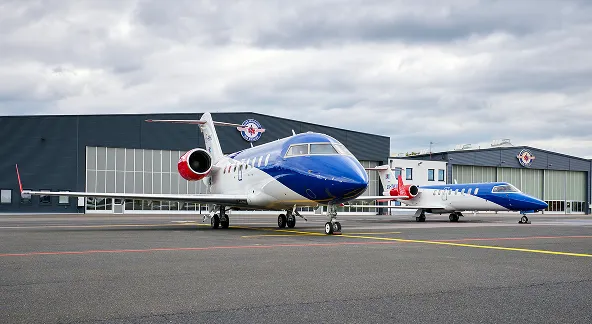
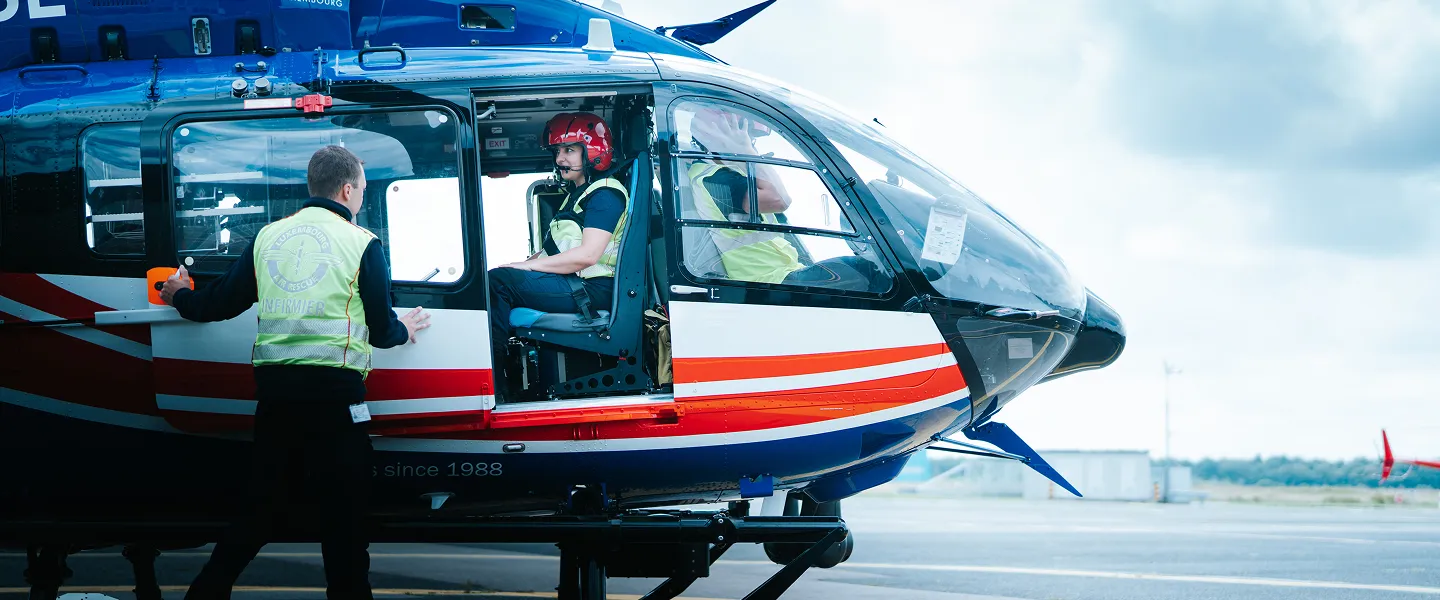
Our rescue helicopters operate 365 days a year, providing vital assistance to our members and patients – in Luxembourg, across the Greater Region, and worldwide.



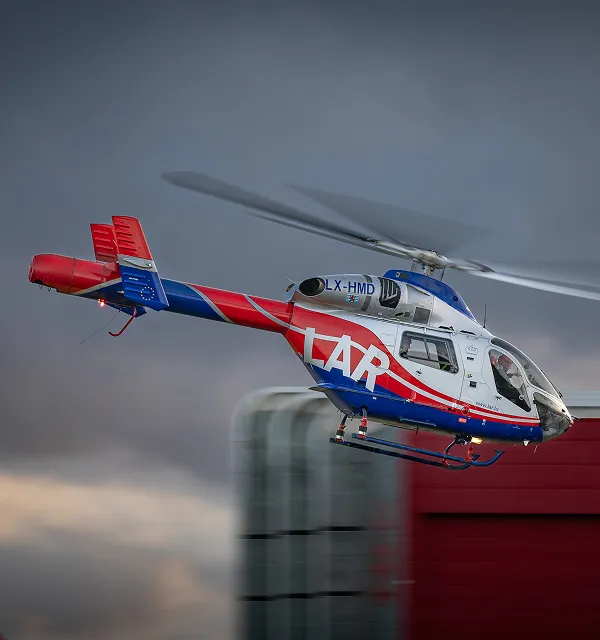
MD 902
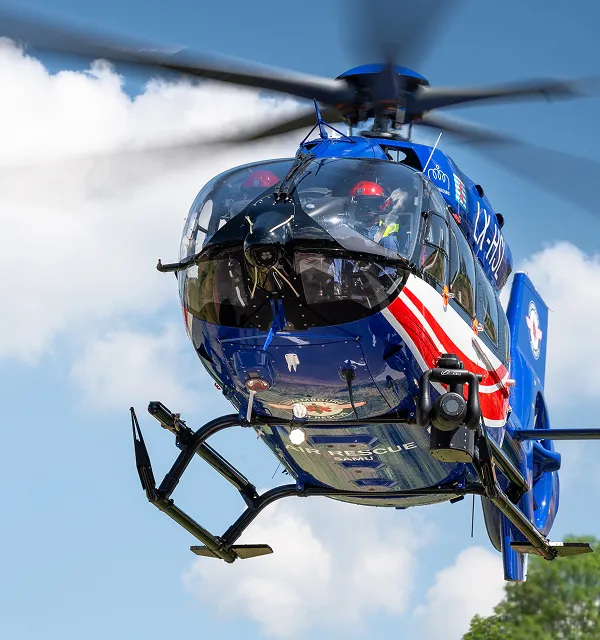
Airbus H145
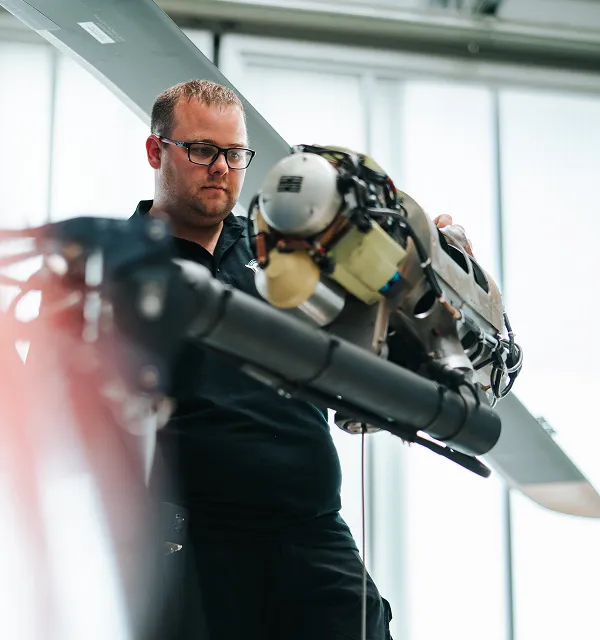
Maintenance and CAMO
Safety begins on the ground.
In our hangars, a dedicated team of technicians and engineers ensures our fleet is always operational and performing at its best.
In accordance with EASA Part-145, our technicians are authorised to perform both line maintenance (maintenance during ongoing operations) and base maintenance (basic maintenance) on our rescue helicopters.
With 24/7 availability, ongoing training and extensive experience, they ensure reliable operations and maximum safety throughout the year.
Part-145 & CAMO: Maintenance is carried out in-house by our experts, under the supervision of our CAMO (Continuing Airworthiness Management Organisation) department, which ensures ongoing airworthiness and full compliance with aviation regulations.
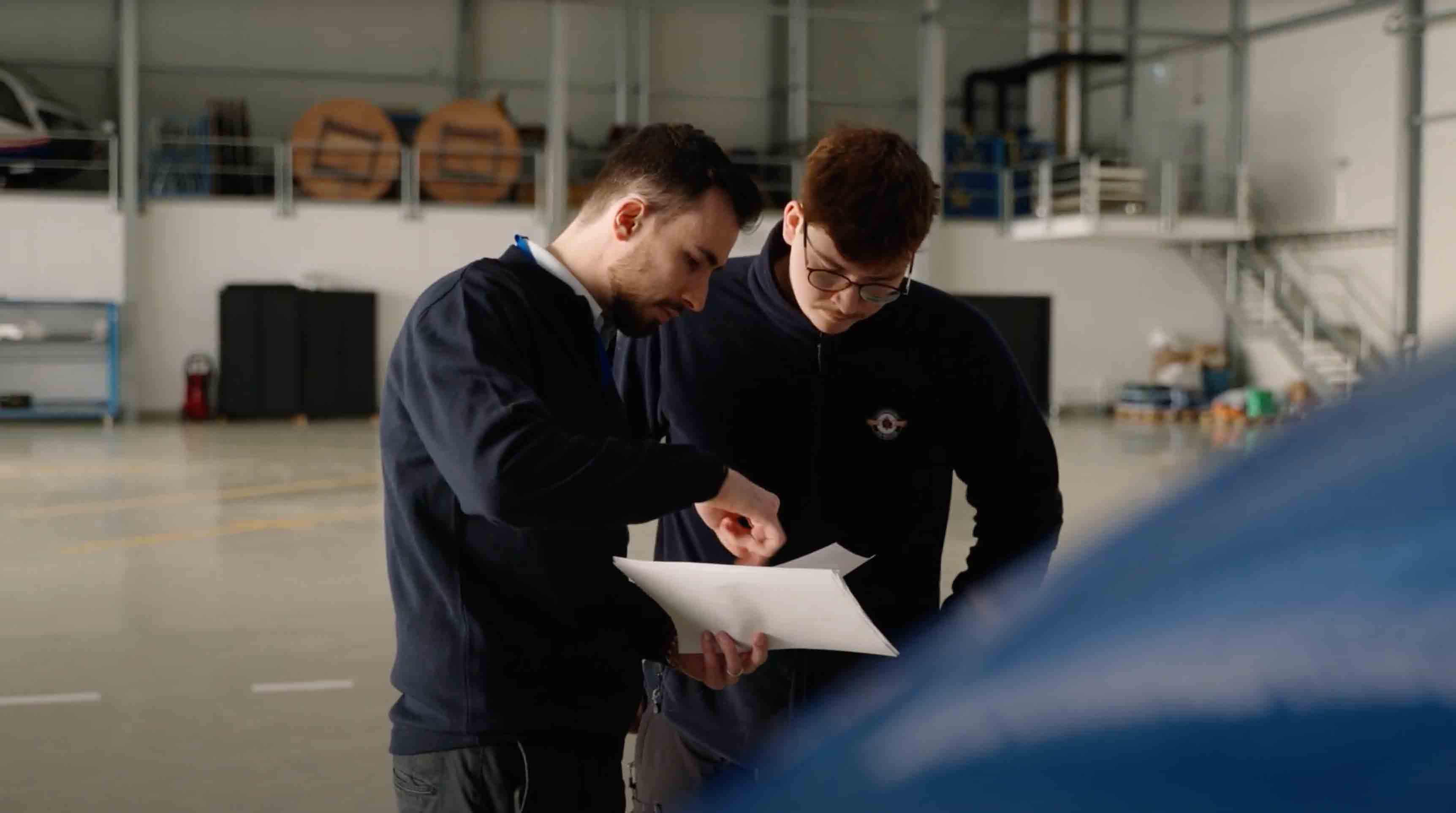
Our missions
Primary missions
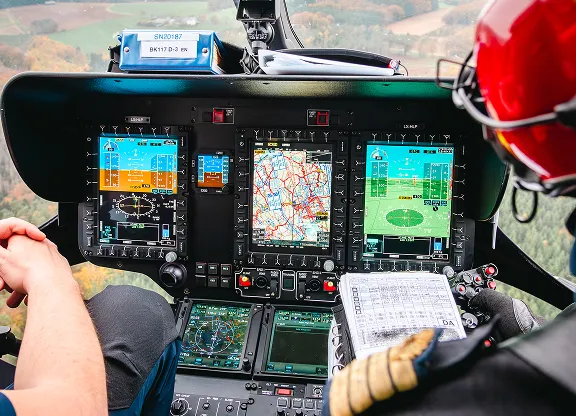
Emergency interventions by rescue helicopter. Main reasons: traffic accidents, leisure accidents, strokes, etc.
Secondary missions
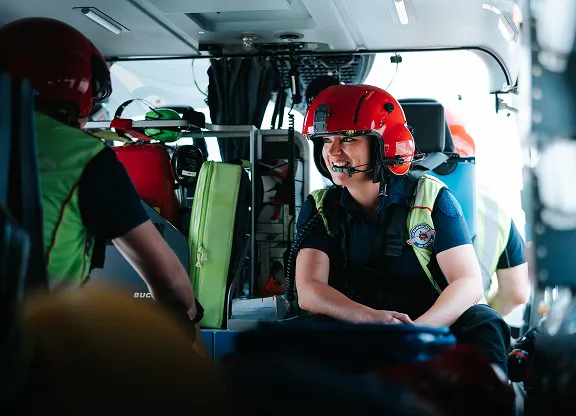
Transfer of patients between hospitals within the Greater Region.
Winch rescue
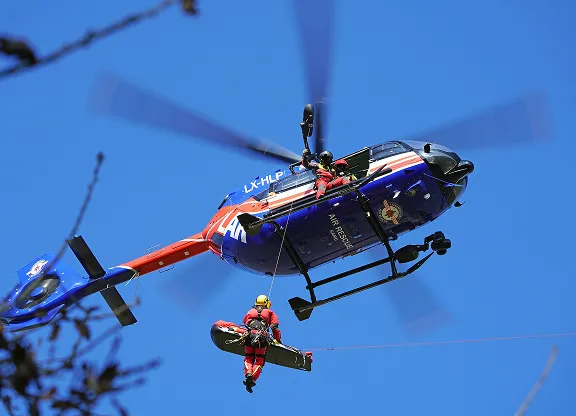
Helicopter missions using a rescue hoist.
Primary missions
From the initial alert to patient handover – a seamless chain of rescue.

Emergency call via 112
The emergency control centre assesses the situation and decides, based on severity, accessibility, and available resources, whether to deploy the rescue helicopter.
Take-off in less than 2 minutes
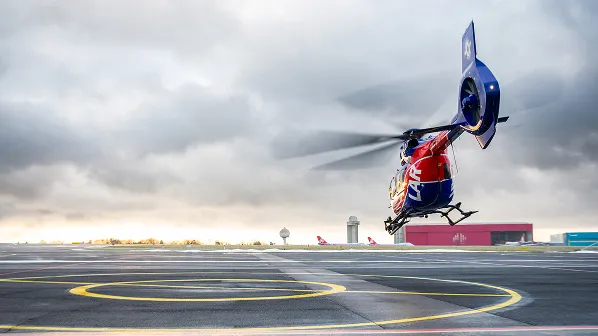
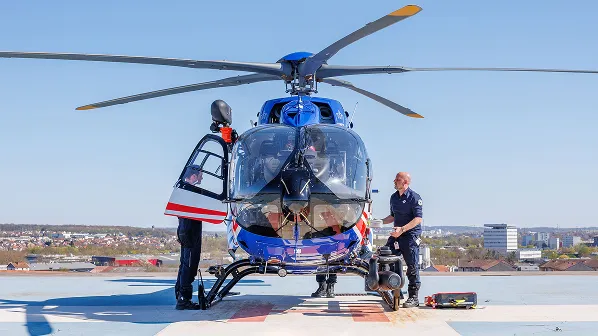
The LAR helicopter takes off within two minutes of the alert and can reach any location in Luxembourg in less than ten minutes.
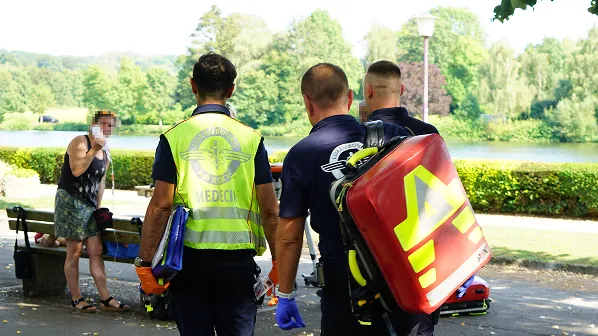
On-site medical care
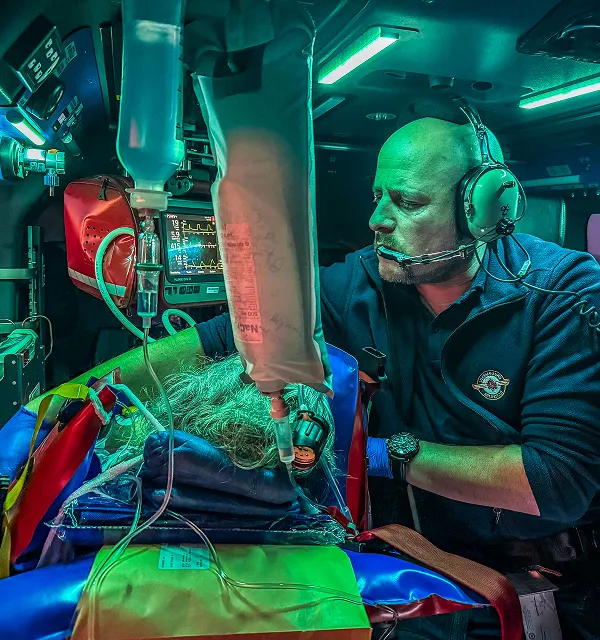
The LAR emergency doctor, who is on board every helicopter, and the LAR intensive care nurse work together to provide professional care for the patient.
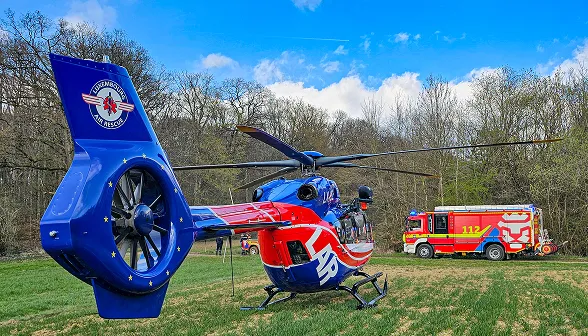
Rapid transport to the appropriate hospital
In the event of serious injuries, the patient is quickly transported to the hospital best equipped to provide treatment.
Handover to hospital staff
The LAR medical team hands over the patient to hospital staff, ensuring uninterrupted further treatment.
Secondary missions
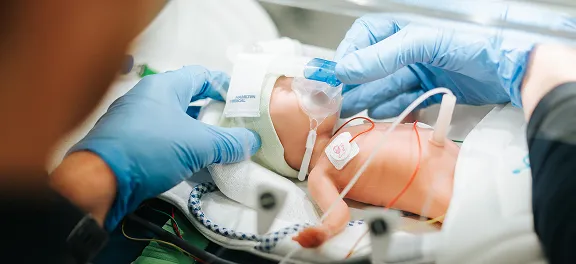
LAR rescue helicopters also transfer patients from Luxembourg hospitals to specialist clinics abroad to ensure they receive the best possible treatment.
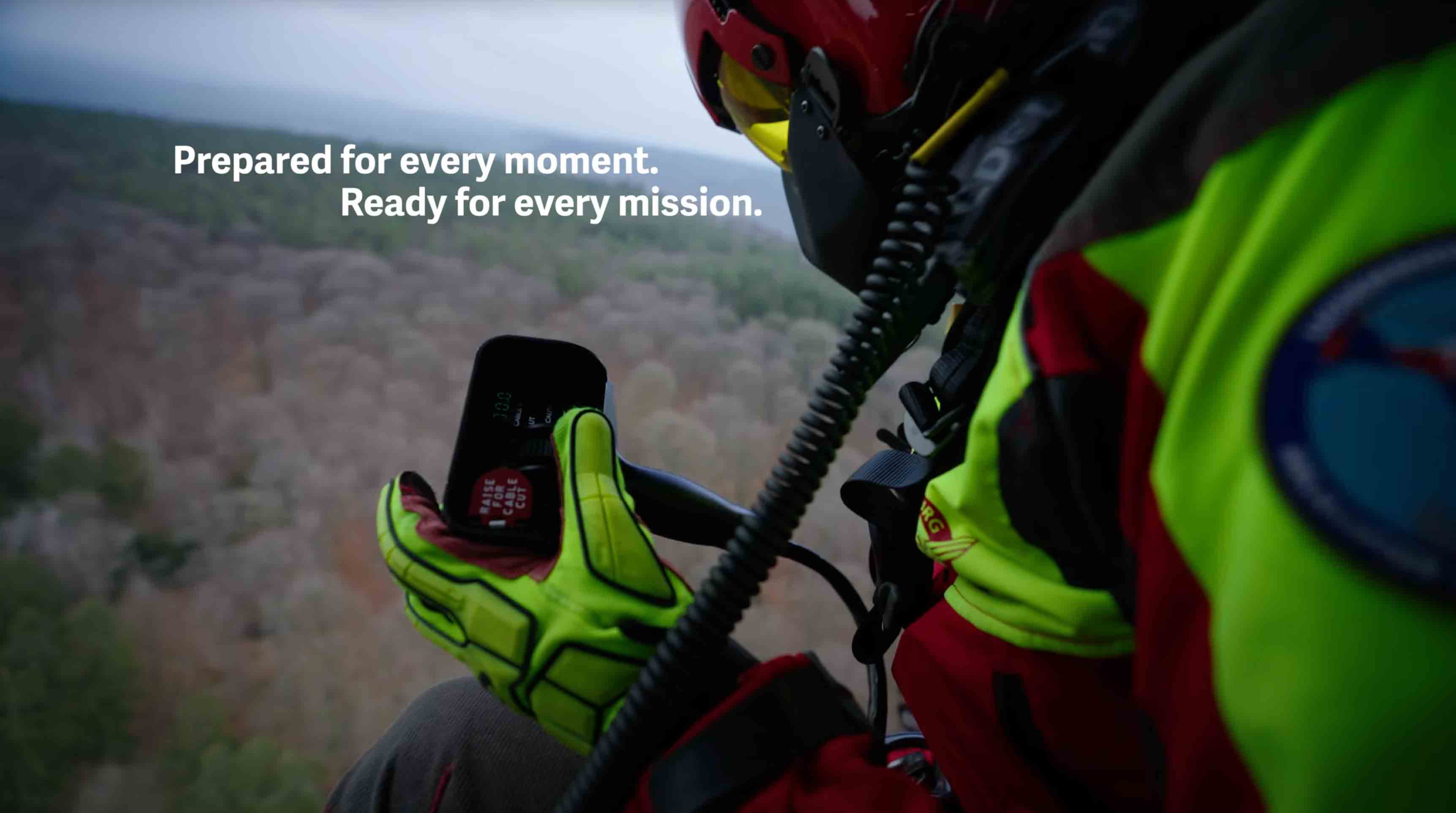
Helicopter winch missions
LAR helicopters are also deployed for operations using the rescue winch – particularly when the scene of the accident is located in terrain that is difficult to reach. This ensures quick and direct access to the patient.
Safety rules: your behaviour can save lives
What to do when a rescue helicopter lands
To ensure that every air rescue mission runs smoothly, certain safety rules must be strictly observed by everyone present at the scene.
These guidelines enable our teams to act quickly and safely.
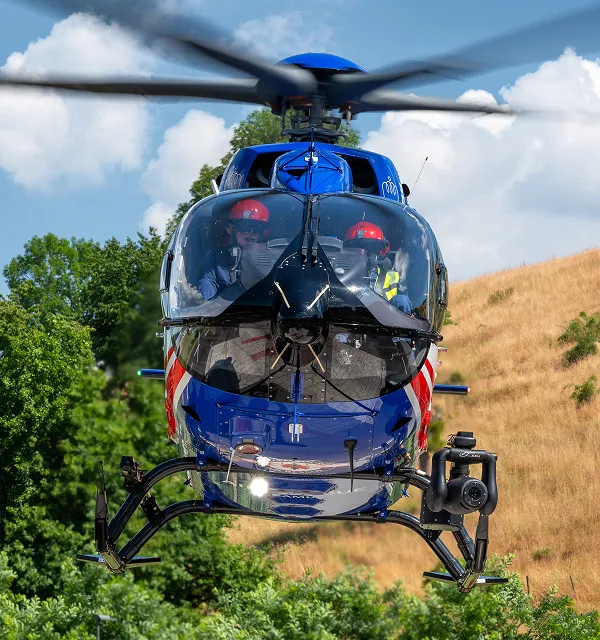
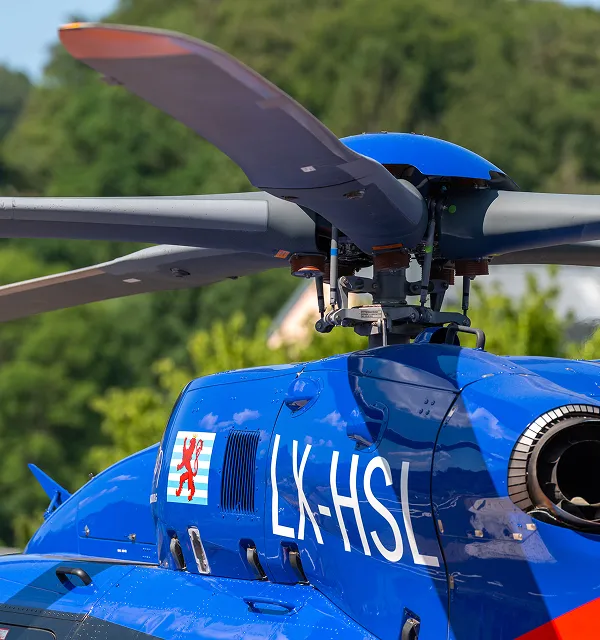
Important safety rules
Never approach a helicopter without authorisation.
Stay clearly visible, keep a safe distance, and remain in the pilot’s line of sight.
When the helicopter is approaching, crouch down to protect yourself from rotor downwash and flying debris.
Avoid loose items such as scarves or umbrellas.
Never attempt to open a door or interact with the crew without instruction.
Emergencies happen. Anytime. Anywhere. Your membership keeps you protected.

Our other fields of operation
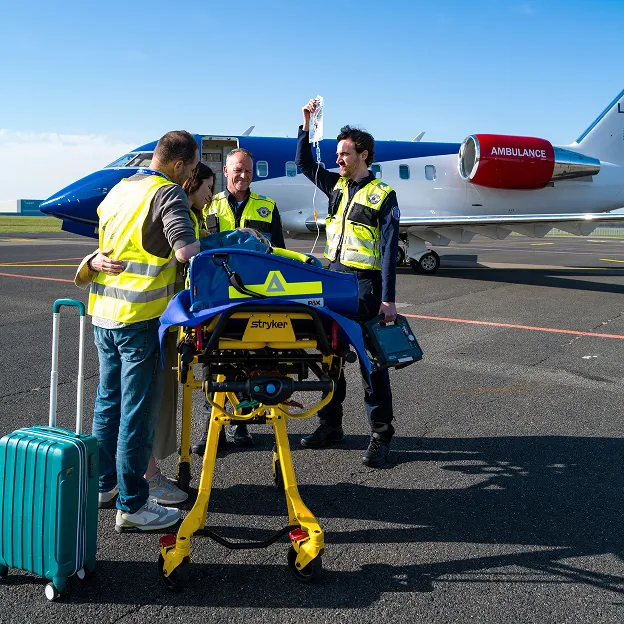
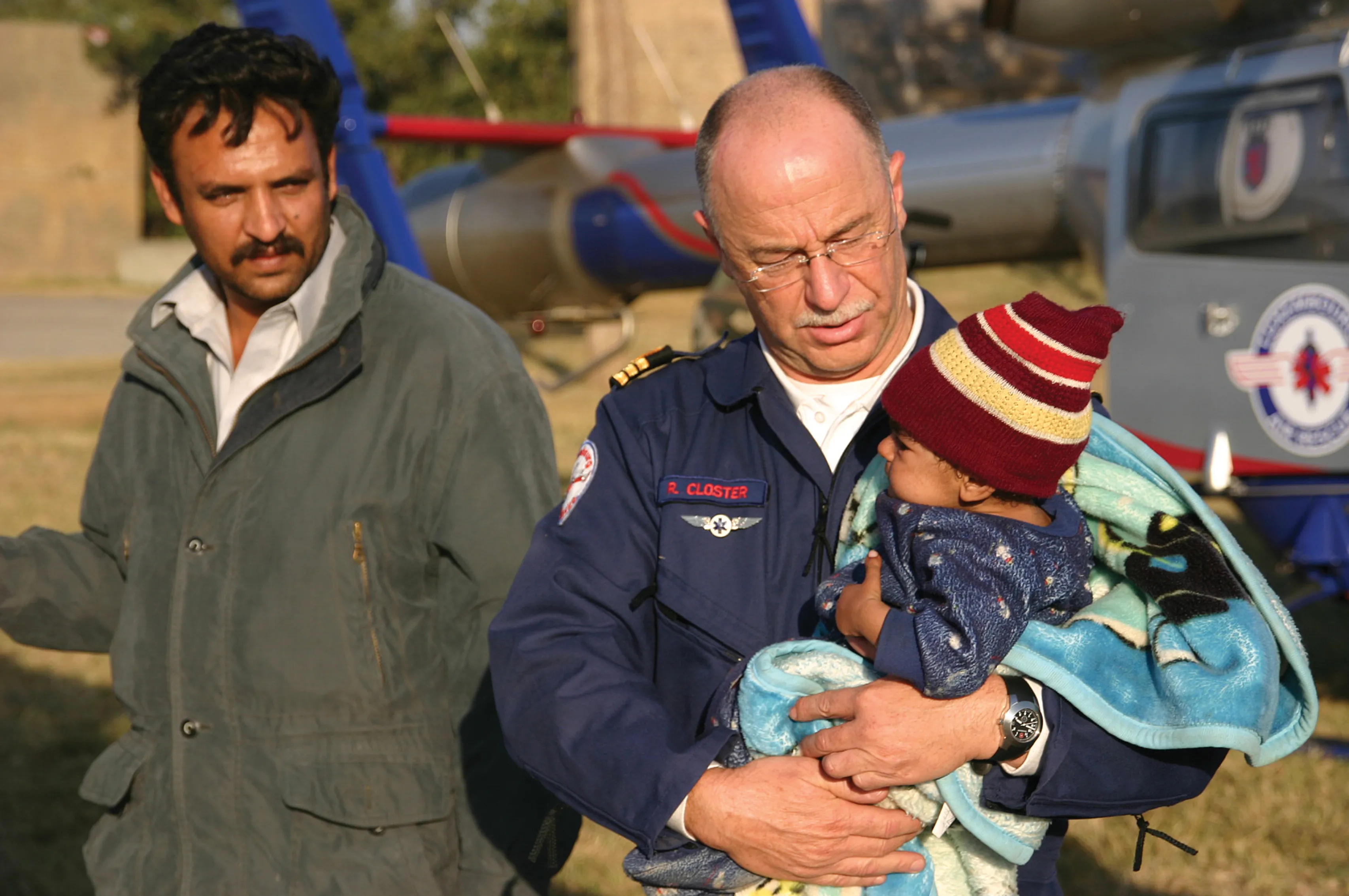
Every donation can save a life
Even a small contribution can make a big difference. Your support keeps us ready to respond – anytime, anywhere.
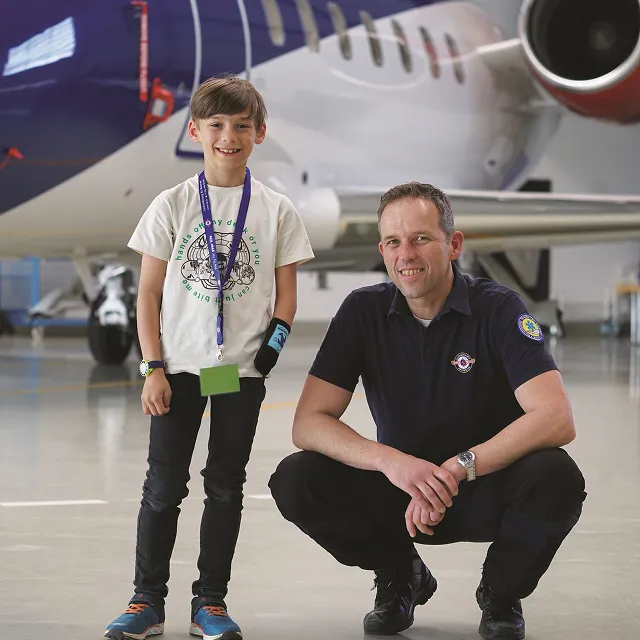
Behind every mission stands a dedicated team
Learn more about FLAR, EAA, and the women and men who make it all possible.